
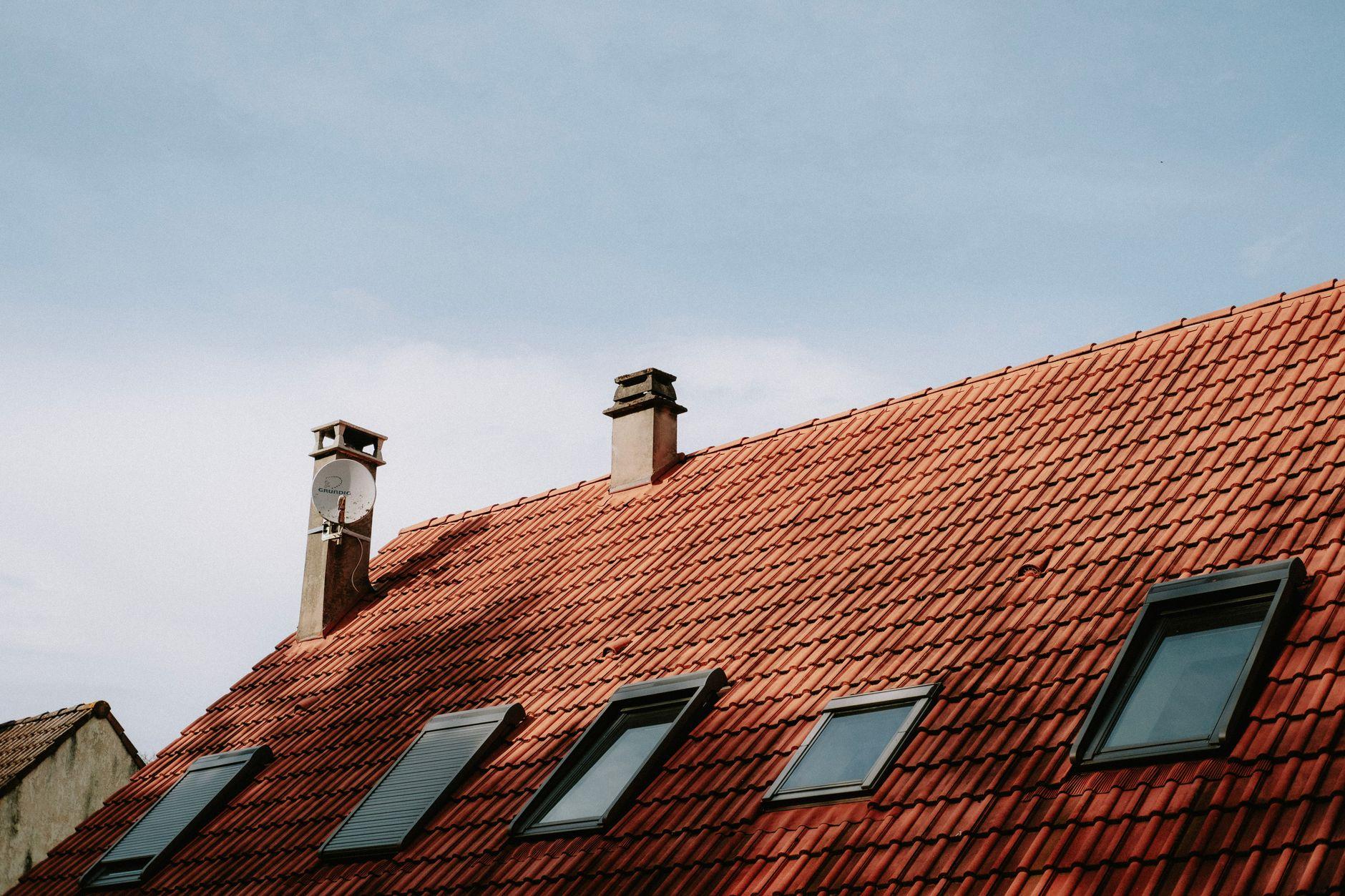
Cloudy Glass and a Tired Flame? Gas Fireplace Cleaning in La Habra
Ask About Gas Fireplace Cleaning
Say what the chimney or fireplace is doing and where the house is. The reply sets up the visit.
What the Work Involves
Gas burns clean until something gets in the way. Dust in the burner ports, a log knocked out of position or a spider web in the air shutter, and the flame turns tall and orange, the glass films over and the unit smells when it lights. We take the front off, clear the burner and pilot, wash the glass, reseat the logs as the manufacturer shows and run the unit until the flame is steady.
What the Film, the Soot and the Smell Each Point To
Owners expect a gas fireplace to stay clean, and for a couple of years it does. Then the symptoms arrive one at a time. The white film on the inner face of the glass is the first. It is a mineral deposit left by the moisture and trace compounds in burning gas, and each season it is baked on a little harder. Left long enough it etches the glass permanently, and the only cure then is a new panel. Black soot on the ceramic logs is the second sign, and it is a combustion fault, not dirt. Soot forms when flame touches a surface it should not, usually after a log has been knocked out of position, or when the burner is short of air since its intake is clogged with dust and pet hair. The third sign is the smell at startup, which is household dust burning off the firebox and the heat exchanger. The fourth is the pilot: a flame that has shrunk, turned yellow or wavers is partly blocked. Every one of these gets worse with use, and each has a specific fix.
A cleaning visit works through the unit in a fixed order. Gas is isolated and the fireplace is cold before anything is opened. The glass front is unlatched and laid flat, and its inner face is cleaned with a cream cleaner intended for ceramic fireplace glass, since ordinary sprays leave a residue that bakes into a worse haze. The seal around the frame is examined for flat spots. Logs come out one by one and are brushed gently, as the ceramic is brittle. Burner ports are cleared so the flame is even along its length. The air intake is vacuumed. The pilot hood and the sensors that sit in its flame are cleaned of the oxide that weakens their signal. Ember material is refreshed where the design uses it. Then the logs go back precisely as the manufacturer's diagram shows, the glass is latched, and the unit is lit and watched through a full warm-up. On vented log sets in an open masonry firebox we also check the flue above for old wood soot. Booking is when the figure gets fixed, and the kind of unit decides it.
Why Skipping the Service Costs More Than the Service
The argument for cleaning a gas fireplace is not appearance. It is that every symptom above is the early stage of a repair. Etched glass is a replacement panel. A sooting burner coats the firebox and the vent, and soot is evidence of incomplete combustion, which is the condition that produces carbon monoxide. A pilot assembly left dirty stops proving its flame to the gas valve, and one cold evening the fireplace simply will not stay lit. That call is a repair visit, described on our gas fireplace repair page, and it costs more than the cleaning that would have prevented it. There is a safety side as well. A cleaning is when someone looks at the things you cannot: the condition of the glass seal on a sealed unit, the vent termination outside, the flexible gas connector, the state of the firebox floor. If we find a fault beyond cleaning, you get it in writing with the repair explained. If we smell gas at any joint, the unit stays off and we tell you what needs to happen next.
Who needs this, and when? Any gas fireplace, insert or log set that is used through the winter benefits from a yearly visit, and the months before the cool season are the practical time. Units in La Habra and the cities around it tend to sit idle from spring to late autumn, gathering dust in the burner and spiders in the pilot tube, which is a real and common cause of ignition trouble. If the unit is used as a main heat source for a room, do not skip a year. Managers of buildings with gas fireplaces in several units can arrange them as one visit, and the property manager page explains how that is priced. To book for a single home, use the contact form. Describe what the fireplace is doing, hazy glass, soot, smell or weak pilot, and whether it has a glass front or is open to the room. That is enough for us to bring the right supplies. One standing instruction: a strong gas odor is a matter for the utility's leak line first, from outside the house, and for us afterwards.
How a Repair Runs With Us
Cause First
We find why it failed before we talk about the fix
Shown to You
Each fault photographed where it sits
Figure Up Front
The scope and its cost are on paper before work begins
Proof at the End
Pictures of the finished repair go to you with the notes
Where we do gas fireplace cleaning
Choose your city to read how this service runs there: the local construction, the weather that wears on it and the faults we are asked about.
CA
La Habra gas fireplace cleaning
See a crack stepping up the brick like a staircase? In La Habra, where 77% of homes predate 1980, that points to worn mortar or old quake movement. We repoint those joints now, because a loose course only gets looser.
Read the local pageCA
Whittier gas fireplace cleaning
A chimney leaning off the roofline, or a gap wide enough for a finger, points to brick laid before modern seismic rules. The bungalows around Greenleaf Avenue are that age. We brace or rebuild from the roof up before another shake decides the matter.
Read the local pageCA
Norwalk gas fireplace cleaning
Brown water marks on the ceiling beside the fireplace wall usually trace to flashing, not shingles. Norwalk's dairy land turned into tract streets mainly during the 1950s, and that metal is tired. We cut in new flashing and seal it before drywall and framing soak.
Read the local pageCA
Cerritos gas fireplace cleaning
Rust streaks down the stucco? The metal cover up top has failed. Most Cerritos homes are detached tract houses, and one built in the 1970s or later likely vents by a metal flue boxed inside framing. We fit a sloped new cover before that framing rots.
Read the local pageOther Repairs and Services
Chimney Sweep
Smoke spilling into the room or a tar smell from the hearth points to a coated flue, which a full sweep clears.
Signs and fix →Chimney Inspection
An odd smell, a stain or a weak draft gets traced to its cause and written up in plain findings with photos.
Signs and fix →Chimney Repair
Loose brick, crumbling joints, a tilting stack or water stains each trace back to a cause we find before fixing anything.
Signs and fix →Fireplace Inspection
Cracked firebrick, soot marks above the opening or a shifting hearth are read where they appear, at the fireplace itself.
Signs and fix →Fireplace Repair
A smoking fireplace, gapped firebrick, a jammed damper or broken doors get a diagnosis first and a lasting fix second.
Signs and fix →Chimney Level 2 Inspection
When a sale, a flue fire, a quake or a new appliance raises doubts, a camera shows what the flue walls look like.
Signs and fix →Chimney Cap Installation
Rain in the firebox, animal noise in the flue or a missing lid on the stack calls for a fitted cap.
Signs and fix →Chimney Flashing Repair
A ceiling stain next to the stack or lifted metal at the roofline usually means the roof-to-chimney seal has opened.
Signs and fix →Chimney Masonry Repair
Receding mortar, flaking brick faces and stair-step cracks mean water is working into the stack and the masonry needs repair.
Signs and fix →Chimney Rebuilds
A leaning stack, a shifted section at the roofline or brick falling away is past patching and needs rebuilding.
Signs and fix →Fireplace Cleaning
Caked ash, blackened doors and soot creeping over the face brick are cleared from the firebox and its surround.
Signs and fix →Gas Fireplace Repair
A pilot that drops out, a burner that refuses to fire or flames that quit mid-evening each point to a specific failed part.
Signs and fix →Fireplace Remodel
Cracked surrounds, loose hearth tile and a worn-out face are rebuilt so the fireplace is sound as well as better looking.
Signs and fix →Fireplace Inserts
A fireplace that pulls warm air out of the room and gives little back is a candidate for an insert.
Signs and fix →Pellet Stove Repair
No pellets dropping, no ignition, or a shutdown with a code on the display narrows a pellet stove fault to a few parts.
Signs and fix →Wood Stove Repair
Smoke puffing out at the door, a fire you cannot slow down or cracked glass means a wood stove has worn or failed parts.
Signs and fix →Gas Logs
Sooting logs, uneven flames or a wood fireplace you want on gas are handled with a properly matched and placed log set.
Signs and fix →Chimney Seismic Retrofit
A crack that appeared after shaking, or a tall unbraced brick stack, is a reason to assess and strengthen the chimney.
Signs and fix →Chimney Crown Repair
Cracks across the cement top of the stack or pieces of it on the roof let water into the brick below.
Signs and fix →Dryer Vent Cleaning
Clothes still damp after a full cycle, a hot dryer top or a lint smell signal a duct clogged along its run.
Signs and fix →Chimney Liner Installation
Broken flue tiles, an appliance venting into an oversized flue or smoke smell upstairs is solved with a new liner.
Signs and fix →Chimney Leak Repair
Water in the firebox, a stained chimney breast or rust on the damper means rain has found a way in.
Signs and fix →Chimney Waterproofing
Brick that stays dark for days after rain or grows a white crust is absorbing water and can be treated to shed it.
Signs and fix →Chimney Damper Repair
A handle that will not budge, a plate that will not close or a cold draft from the hearth means the damper has failed.
Signs and fix →Chimney Chase Cover
Rust trails down the siding of a framed chimney or water inside a prefab firebox points to a failed metal top.
Signs and fix →