
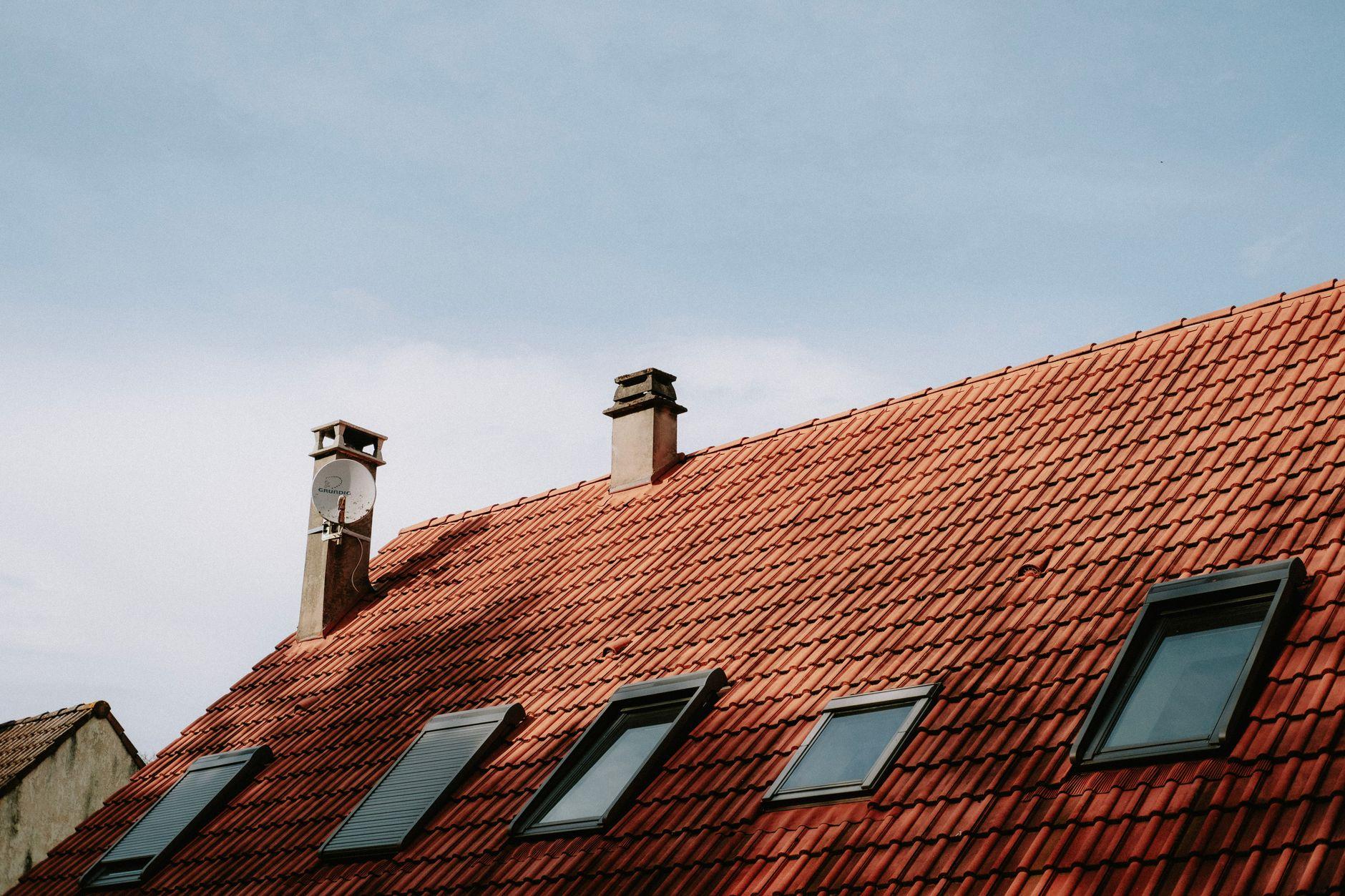
Damper Jammed or Leaking Air? Damper Repair in La Habra
Ask About Chimney Damper Repair
Say what the chimney or fireplace is doing and where the house is. The reply sets up the visit.
What the Work Involves
You pull the lever and it stops halfway. Or it moves freely and smoke still rolls out, because the plate has come off its pivot. Or the fireplace leaks cold air all winter because a rusted plate no longer meets its seat. We clean and inspect the assembly, free or replace the hardware, and where the old throat unit is past saving we install a cable-operated damper at the flue top instead.
How a Damper Fails and What You Notice First
The damper is the simplest working part of a fireplace and the one owners handle most. It is a valve. Open, it lets smoke up the flue. Closed, it is meant to stop your heated or cooled air from escaping when no fire is burning. In most masonry fireplaces it is a cast iron frame mortared into the narrow passage above the firebox, with a pivoting blade worked by a lever, a rotating knob or a chain. It lives in a harsh spot: soot and acidic residue from below, rain and damp from above. The failures follow from that. Rust swells the pivots until the blade will not move. Rust eats the blade itself until it is thin, warped or holed. Debris, broken mortar and the occasional nest land on it and jam it. The linkage wears, so the handle moves and the blade does not. Heat warps the blade until it cannot sit flat on its frame. What you notice is a handle that will not budge, a damper that drops shut unprompted, smoke rolling into the room, or a steady cold draft from a fireplace you believed was closed.
The repair follows the condition. A blade jammed by debris or light rust can often be freed, cleaned and returned to service. A worn or broken linkage, a missing handle or a snapped chain is a parts job where the frame and blade are still sound. A blade that has rusted through or warped can sometimes be changed without disturbing the frame. When the frame itself is cracked, loose in its mortar or rusted away, patching is over. The old assembly is cut out, and there are two ways forward. One is a new damper set in the original position. The other moves the valve to the far end of the flue: a spring-loaded lid with a rubber-like seal, installed over the flue opening and operated by a stainless cable dropped down the flue to a bracket inside the firebox wall. Shut, it seals far tighter than iron resting on iron, and it closes the flue to rain, birds and cold air at the roof instead of at the firebox. It suits many chimneys. It does not suit all of them, and we say which case yours is.
What We Check, What the Quote Lists and What a Bad Damper Costs
A damper rarely rusts without help, so we look upward for the cause. Water reaching the damper means rain is getting down the flue, and the usual routes are a missing or damaged cap and a cracked crown. Fixing the damper and leaving the water source is a repair you will pay for twice, and the quote will say where the water is coming from. We also check what the fireplace burns. With gas logs, the damper must be prevented from closing fully, and the quote accounts for that arrangement. The firebox and the passage above the damper are examined while we are there, since a damper buried in fallen mortar is reporting a problem higher up. The written quote lists the workable routes, freeing, parts, a new damper or a chimney-top unit, with a price beside each one that applies to your fireplace. Damper work has no list price on this site. A seized pivot and a frame that must be cut out of the masonry are different jobs, and the honest figure comes after someone has reached in and tried the blade. A cap, if yours is missing, is quoted after we measure and shown as a separate line.
A faulty damper costs you daily, in one of two directions. Jammed open or unable to seal, it is a hole in the house about the size of a small window, open all year. In winter, heated air rises out through it. In summer, hot outdoor air sinks in while the air conditioner works against it. With that come soot odors on humid days and a route for insects. Jammed closed or partly closed, it is a hazard the first time someone lights a fire: smoke and carbon monoxide fill the room instead of the flue. A blade that is rusting drops flakes onto the firebox floor and may one day drop shut during a fire. None of that improves with time, and rust only moves one way. If the control feels wrong, do not force it. A lever under strain can snap, or bring down the blade and a load of debris with it. Leave the fireplace unlit and send the contact form. Tell us which kind of control it has, lever, knob or chain, and how it behaves.
How a Repair Runs With Us
Cause First
We find why it failed before we talk about the fix
Shown to You
Each fault photographed where it sits
Figure Up Front
The scope and its cost are on paper before work begins
Proof at the End
Pictures of the finished repair go to you with the notes
Where we do chimney damper repair
Choose your city to read how this service runs there: the local construction, the weather that wears on it and the faults we are asked about.
That search found no city. Try a different spelling or a neighboring one.
Other Repairs and Services
Chimney Sweep
Smoke spilling into the room or a tar smell from the hearth points to a coated flue, which a full sweep clears.
Signs and fix →Chimney Inspection
An odd smell, a stain or a weak draft gets traced to its cause and written up in plain findings with photos.
Signs and fix →Chimney Repair
Loose brick, crumbling joints, a tilting stack or water stains each trace back to a cause we find before fixing anything.
Signs and fix →Fireplace Inspection
Cracked firebrick, soot marks above the opening or a shifting hearth are read where they appear, at the fireplace itself.
Signs and fix →Fireplace Repair
A smoking fireplace, gapped firebrick, a jammed damper or broken doors get a diagnosis first and a lasting fix second.
Signs and fix →Chimney Level 2 Inspection
When a sale, a flue fire, a quake or a new appliance raises doubts, a camera shows what the flue walls look like.
Signs and fix →Chimney Cap Installation
Rain in the firebox, animal noise in the flue or a missing lid on the stack calls for a fitted cap.
Signs and fix →Chimney Flashing Repair
A ceiling stain next to the stack or lifted metal at the roofline usually means the roof-to-chimney seal has opened.
Signs and fix →Chimney Masonry Repair
Receding mortar, flaking brick faces and stair-step cracks mean water is working into the stack and the masonry needs repair.
Signs and fix →Chimney Rebuilds
A leaning stack, a shifted section at the roofline or brick falling away is past patching and needs rebuilding.
Signs and fix →Fireplace Cleaning
Caked ash, blackened doors and soot creeping over the face brick are cleared from the firebox and its surround.
Signs and fix →Gas Fireplace Cleaning
White film on the glass, soot on the logs or a dusty smell at start-up means the gas unit is due for cleaning.
Signs and fix →Gas Fireplace Repair
A pilot that drops out, a burner that refuses to fire or flames that quit mid-evening each point to a specific failed part.
Signs and fix →Fireplace Remodel
Cracked surrounds, loose hearth tile and a worn-out face are rebuilt so the fireplace is sound as well as better looking.
Signs and fix →Fireplace Inserts
A fireplace that pulls warm air out of the room and gives little back is a candidate for an insert.
Signs and fix →Pellet Stove Repair
No pellets dropping, no ignition, or a shutdown with a code on the display narrows a pellet stove fault to a few parts.
Signs and fix →Wood Stove Repair
Smoke puffing out at the door, a fire you cannot slow down or cracked glass means a wood stove has worn or failed parts.
Signs and fix →Gas Logs
Sooting logs, uneven flames or a wood fireplace you want on gas are handled with a properly matched and placed log set.
Signs and fix →Chimney Seismic Retrofit
A crack that appeared after shaking, or a tall unbraced brick stack, is a reason to assess and strengthen the chimney.
Signs and fix →Chimney Crown Repair
Cracks across the cement top of the stack or pieces of it on the roof let water into the brick below.
Signs and fix →Dryer Vent Cleaning
Clothes still damp after a full cycle, a hot dryer top or a lint smell signal a duct clogged along its run.
Signs and fix →Chimney Liner Installation
Broken flue tiles, an appliance venting into an oversized flue or smoke smell upstairs is solved with a new liner.
Signs and fix →Chimney Leak Repair
Water in the firebox, a stained chimney breast or rust on the damper means rain has found a way in.
Signs and fix →Chimney Waterproofing
Brick that stays dark for days after rain or grows a white crust is absorbing water and can be treated to shed it.
Signs and fix →Chimney Chase Cover
Rust trails down the siding of a framed chimney or water inside a prefab firebox points to a failed metal top.
Signs and fix →