
When the Chimney Is Past Patching: Rebuilds in La Habra
Ask About Chimney Rebuilds
Say what the chimney or fireplace is doing and where the house is. The reply sets up the visit.
What the Work Involves
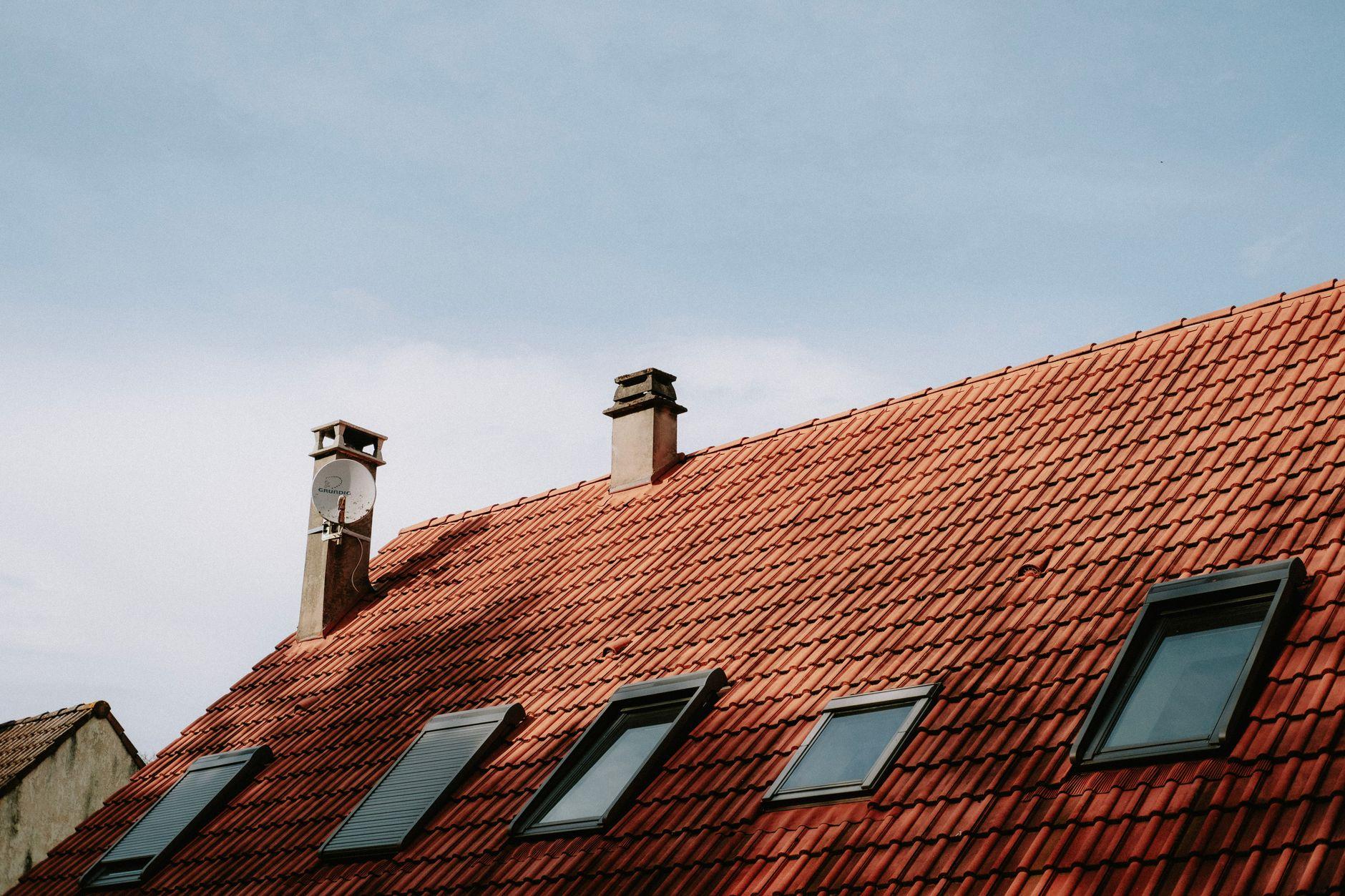
Some chimneys are beyond repointing. The top courses rock under a hand, the stack has stepped sideways where it leaves the roof, or daylight shows through joints that used to hold mortar. We establish where the solid part ends, dismantle everything above that point, and build back up with new brick, a new crown and new flashing. The written scope states where the rebuild starts and stops. A loose stack over a roof or a walkway should not stay standing.
Signs a Chimney Has Moved Beyond Repair Work
Repair and rebuilding are different jobs, and a chimney usually shows which one it needs before anyone climbs a ladder. Look for these. The stack is out of plumb when you sight it against the corner of the house. A crack runs in a straight line through bricks, not around them along the joints. Mortar is missing so completely near the top that bricks sit loose in their beds. The top courses have shifted sideways and overhang the ones below. A whole face of the chimney bulges. After a quake, there is a horizontal break at the roofline, the classic place for a stack to snap, since the roof holds the lower part and nothing holds the upper. Any of these means the masonry has lost its ability to act as one piece. New mortar pressed into the surface will not restore that, any more than tape restores a cracked plate. And a stack in this state is a falling hazard. Until it has been assessed, keep the fireplace cold and keep people from lingering directly below it.
Rebuilding sounds like the whole chimney, and it seldom is. Damage concentrates where weather and sway are greatest, which is the exposed portion above the roof. Lower down, sheltered by the house, the brickwork is often in far better shape. So the job begins with careful dismantling from the top, one layer of brick at a time, and it stops when we reach courses that are tight, level and gripping their mortar. From there the stack goes back up: new or salvaged brick chosen to sit comfortably with what remains, mortar suited to it, flue liner sections reset or replaced as the walls rise, then a new crown formed with a proper overhang and a cap on top. New flashing is part of any rebuild that passes the roofline, as the existing metal was let into brick that no longer exists. Where the damage does run lower, or the firebox itself has failed, the scope grows, and that is a conversation we have with drawings and a written price, not on the roof with a hammer in hand.
What the Quote Covers and Why Delay Is the Costly Option
A rebuild quote has one honest difficulty: nobody can see inside a wall until it is opened. We handle that in the open. Before quoting, we examine the stack from the roof, from the attic where it can be reached, and from inside the firebox, and where the flue interior is in question we recommend a Level 2 inspection with video scan at $385 so the liner's condition is known. The written quote then states the course we expect to rebuild from, the brick and mortar to be used, the liner, crown, cap and flashing work included, how the roof and the yard will be protected, and where debris goes. It also states, as its own line, what the price becomes if sound brick turns out to lie lower than expected, so the unknown has a number attached before you sign. Rebuilding has no list price on this site. It is measured work, and the figure is yours on paper to compare and think over. Permit needs vary by city and by scope, and we raise that question at the quoting stage.
Why not wait? A failing stack does not hold still. Each wet season loosens it further, and what could have been rebuilt from four courses below the top needs rebuilding from the roofline a few years on. More to the point, this region shakes. The Whittier Narrows earthquake of 1987 toppled and cracked chimneys in Whittier, next door to La Habra, and the magnitude 5.1 La Habra earthquake of March 2014 shook the same neighborhoods again. Sound masonry rides out moderate shaking far better than a stack with empty joints and a hairline break at the roof. A rebuild is also the natural moment to add reinforcement or bracing, a subject covered on our seismic retrofit page. If your chimney shows any of the signs above, send the contact form and describe what you see: the lean, the crack, the loose top. Say whether anything has fallen. We will arrange to assess it and tell you whether the fireplace should stay out of use in the meantime.
How a Repair Runs With Us
Cause First
We find why it failed before we talk about the fix
Shown to You
Each fault photographed where it sits
Figure Up Front
The scope and its cost are on paper before work begins
Proof at the End
Pictures of the finished repair go to you with the notes
Where we do chimney rebuilds
Choose your city to read how this service runs there: the local construction, the weather that wears on it and the faults we are asked about.
CA
La Habra chimney rebuilds
See a crack stepping up the brick like a staircase? In La Habra, where 77% of homes predate 1980, that points to worn mortar or old quake movement. We repoint those joints now, because a loose course only gets looser.
Read the local pageCA
Whittier chimney rebuilds
A chimney leaning off the roofline, or a gap wide enough for a finger, points to brick laid before modern seismic rules. The bungalows around Greenleaf Avenue are that age. We brace or rebuild from the roof up before another shake decides the matter.
Read the local pageCA
Norwalk chimney rebuilds
Brown water marks on the ceiling beside the fireplace wall usually trace to flashing, not shingles. Norwalk's dairy land turned into tract streets mainly during the 1950s, and that metal is tired. We cut in new flashing and seal it before drywall and framing soak.
Read the local pageCA
Cerritos chimney rebuilds
Rust streaks down the stucco? The metal cover up top has failed. Most Cerritos homes are detached tract houses, and one built in the 1970s or later likely vents by a metal flue boxed inside framing. We fit a sloped new cover before that framing rots.
Read the local pageOther Repairs and Services
Chimney Sweep
Smoke spilling into the room or a tar smell from the hearth points to a coated flue, which a full sweep clears.
Signs and fix →Chimney Inspection
An odd smell, a stain or a weak draft gets traced to its cause and written up in plain findings with photos.
Signs and fix →Chimney Repair
Loose brick, crumbling joints, a tilting stack or water stains each trace back to a cause we find before fixing anything.
Signs and fix →Fireplace Inspection
Cracked firebrick, soot marks above the opening or a shifting hearth are read where they appear, at the fireplace itself.
Signs and fix →Fireplace Repair
A smoking fireplace, gapped firebrick, a jammed damper or broken doors get a diagnosis first and a lasting fix second.
Signs and fix →Chimney Level 2 Inspection
When a sale, a flue fire, a quake or a new appliance raises doubts, a camera shows what the flue walls look like.
Signs and fix →Chimney Cap Installation
Rain in the firebox, animal noise in the flue or a missing lid on the stack calls for a fitted cap.
Signs and fix →Chimney Flashing Repair
A ceiling stain next to the stack or lifted metal at the roofline usually means the roof-to-chimney seal has opened.
Signs and fix →Chimney Masonry Repair
Receding mortar, flaking brick faces and stair-step cracks mean water is working into the stack and the masonry needs repair.
Signs and fix →Fireplace Cleaning
Caked ash, blackened doors and soot creeping over the face brick are cleared from the firebox and its surround.
Signs and fix →Gas Fireplace Cleaning
White film on the glass, soot on the logs or a dusty smell at start-up means the gas unit is due for cleaning.
Signs and fix →Gas Fireplace Repair
A pilot that drops out, a burner that refuses to fire or flames that quit mid-evening each point to a specific failed part.
Signs and fix →Fireplace Remodel
Cracked surrounds, loose hearth tile and a worn-out face are rebuilt so the fireplace is sound as well as better looking.
Signs and fix →Fireplace Inserts
A fireplace that pulls warm air out of the room and gives little back is a candidate for an insert.
Signs and fix →Pellet Stove Repair
No pellets dropping, no ignition, or a shutdown with a code on the display narrows a pellet stove fault to a few parts.
Signs and fix →Wood Stove Repair
Smoke puffing out at the door, a fire you cannot slow down or cracked glass means a wood stove has worn or failed parts.
Signs and fix →Gas Logs
Sooting logs, uneven flames or a wood fireplace you want on gas are handled with a properly matched and placed log set.
Signs and fix →Chimney Seismic Retrofit
A crack that appeared after shaking, or a tall unbraced brick stack, is a reason to assess and strengthen the chimney.
Signs and fix →Chimney Crown Repair
Cracks across the cement top of the stack or pieces of it on the roof let water into the brick below.
Signs and fix →Dryer Vent Cleaning
Clothes still damp after a full cycle, a hot dryer top or a lint smell signal a duct clogged along its run.
Signs and fix →Chimney Liner Installation
Broken flue tiles, an appliance venting into an oversized flue or smoke smell upstairs is solved with a new liner.
Signs and fix →Chimney Leak Repair
Water in the firebox, a stained chimney breast or rust on the damper means rain has found a way in.
Signs and fix →Chimney Waterproofing
Brick that stays dark for days after rain or grows a white crust is absorbing water and can be treated to shed it.
Signs and fix →Chimney Damper Repair
A handle that will not budge, a plate that will not close or a cold draft from the hearth means the damper has failed.
Signs and fix →Chimney Chase Cover
Rust trails down the siding of a framed chimney or water inside a prefab firebox points to a failed metal top.
Signs and fix →