
Twelve months, every fireplace, one calendar
Start your calendar
Name each property, give its fireplace count and note the fuel, wood or gas, unit by unit if they differ. A draft calendar comes back with the per-fireplace total.
The year, laid out
The calendar follows how fireplaces are used in north Orange County and the cities next door. Fires stop around March. Rain mostly falls from December to March. That gives a spring inspection round, a dry summer for brick and roof work, and a short autumn check before residents light up again.
Each building gets a month. A manager with six properties might have two inspected in February, two in March and two in April, so no week swallows the whole maintenance budget and no building is left for October.
- February to April: routine inspection round, building by building, while the winter's soot and any storm leaks are still fresh evidence
- May to September: masonry, crown, flashing and cap repairs from the spring findings, done on dry roofs
- October: caps confirmed in place, gas fireplaces lit and checked, last sweeps
- November to January: burn season, with visits kept for faults that residents report
What a year without a calendar looks like
It starts with a December call. Unit 14 has smoke in the living room. The week after, unit 9 reports a stain above the mantel. Each call becomes a separate visit, priced and scheduled alone, during the months when roofs are wet and everyone else wants the same crew.
The larger cost comes later. A resident sells, the buyer's inspector asks when the flue was last looked at, and nobody can say. Or an insurer asks for maintenance records after a fire and the file holds three invoices for three units out of sixty. Inspecting on a calendar costs less per fireplace than chasing faults, and it leaves a paper trail that answers those questions.
Inspection day at a building
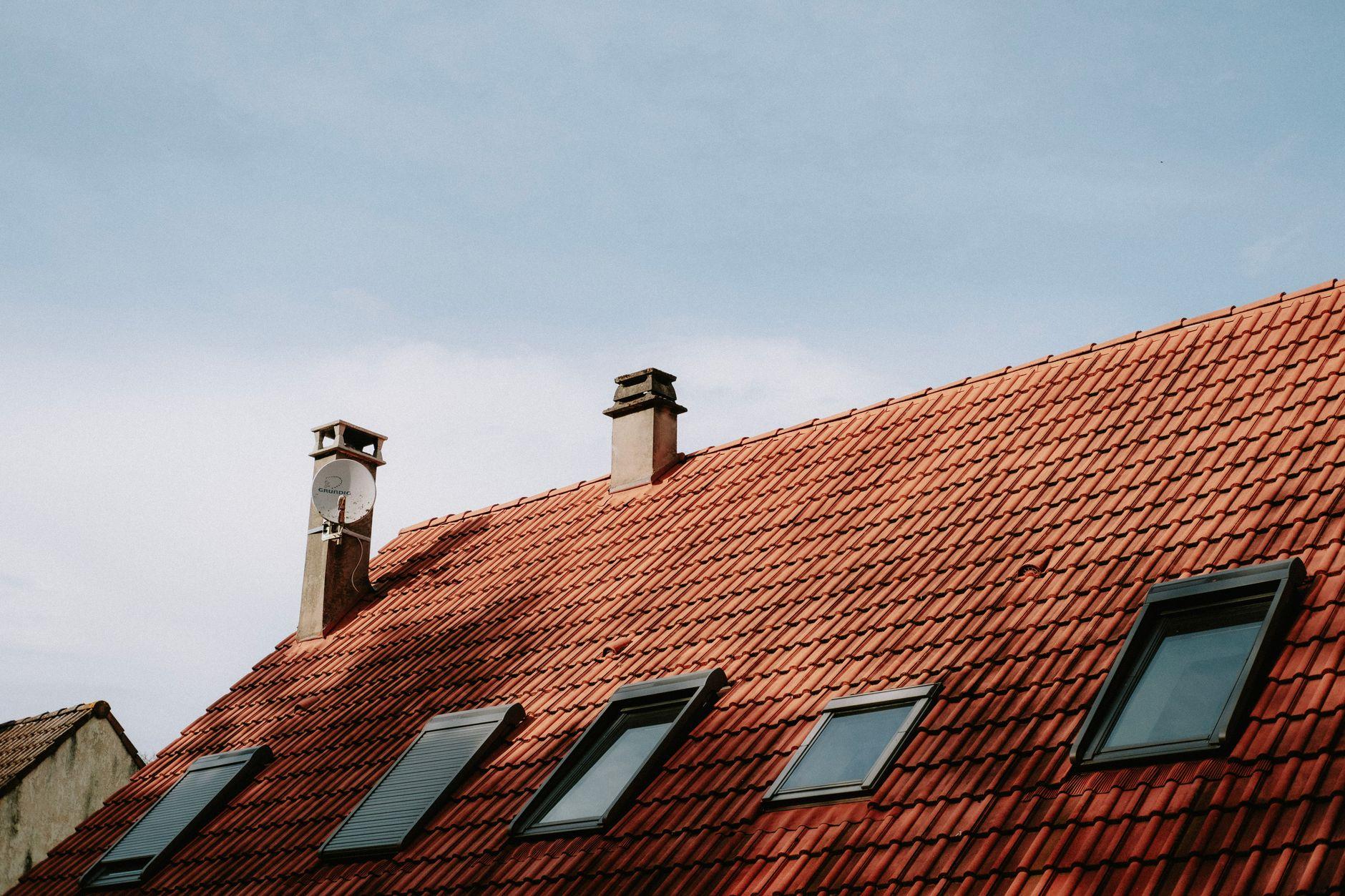
We work from your unit list. Your office sends whatever entry notice the leases or the association rules call for, and a staff member or the resident opens each door. We do not hold keys. The roof is done in one pass for the whole building: every flue top, cap and crown, and the metal where each stack meets the roofing.
Indoors, wood fireplaces get the firebox, damper and reachable flue examined, with soot depth noted. Gas fireplaces are lit, the flame is watched, and the valve, pilot and vent are checked unit by unit. Any door that stayed shut is recorded as not entered and carried to a catch-up date, so the list never has silent gaps.
The record that goes in your file
After each building you receive one document. Every unit has a dated line: fireplace type, what was found, and one of three outcomes. Clear to use. Needs work before the next fire. Do not use until repaired. Units needing work carry the repair, our published price where there is one, or a note that a written quote follows.
Faults are also marked by where they sit: inside a unit's firebox, in a shared stack, or on the roof. Whether the owner or the association pays is for your governing documents to decide, and that location line is what lets a board apply them without a second visit.
Rates per fireplace
Your invoice is the unit list with a rate against each line. Most lines are the routine rate; a few will need the camera or a sweep.
- Routine round, per fireplace (Level 1)
- $160
- Per fireplace with liner video (Level 2), for a unit sale or after damage
- $385
- Sweeping a flue the round shows is due, each
- from $410
Repairs found on the round are priced separately, with our published ranges where they apply and written quotes for the remainder.
Managers and boards ask
Our buildings sit in four cities. Is that one calendar or four?
One. Properties are grouped so a crew day stays in one area: La Habra buildings together, then Whittier, Norwalk and Cerritos. You see a single schedule with every building on it.
A resident was out and the door stayed locked. What happens to that unit?
It is written up as not entered, with the date. Those units are gathered into a catch-up round, and the building's record is updated once they have been seen.
Does each unit need the camera every year?
No. The routine round is a Level 1. The camera comes out for a reason: a unit is being sold, there has been a chimney fire or a quake, or the routine visit spotted something inside the flue that a light cannot resolve.
Is the association or the unit owner responsible for a repair?
That depends on your governing documents, not on us. Our record states where the fault is, in the unit, in a shared chimney or on the roof, so the board can apply its own rules.
Can the repairs wait until summer?
Most brick, crown and roof-side work is deliberately booked for the dry months. The exception is anything marked do not use: that fireplace stays cold until it is fixed, whatever the month.
We are starting in August. Have we missed the round?
No. A first round can run in late summer so repairs still land before the rain, and the buildings then move onto the spring cycle the following year.
Put every fireplace you manage on one calendar
Use the contact form to list your buildings and fireplace counts. We reply with a month-by-month draft and the per-fireplace total for the first round.
Call (657) 233-4651