Smoke in the room, and a decision to make
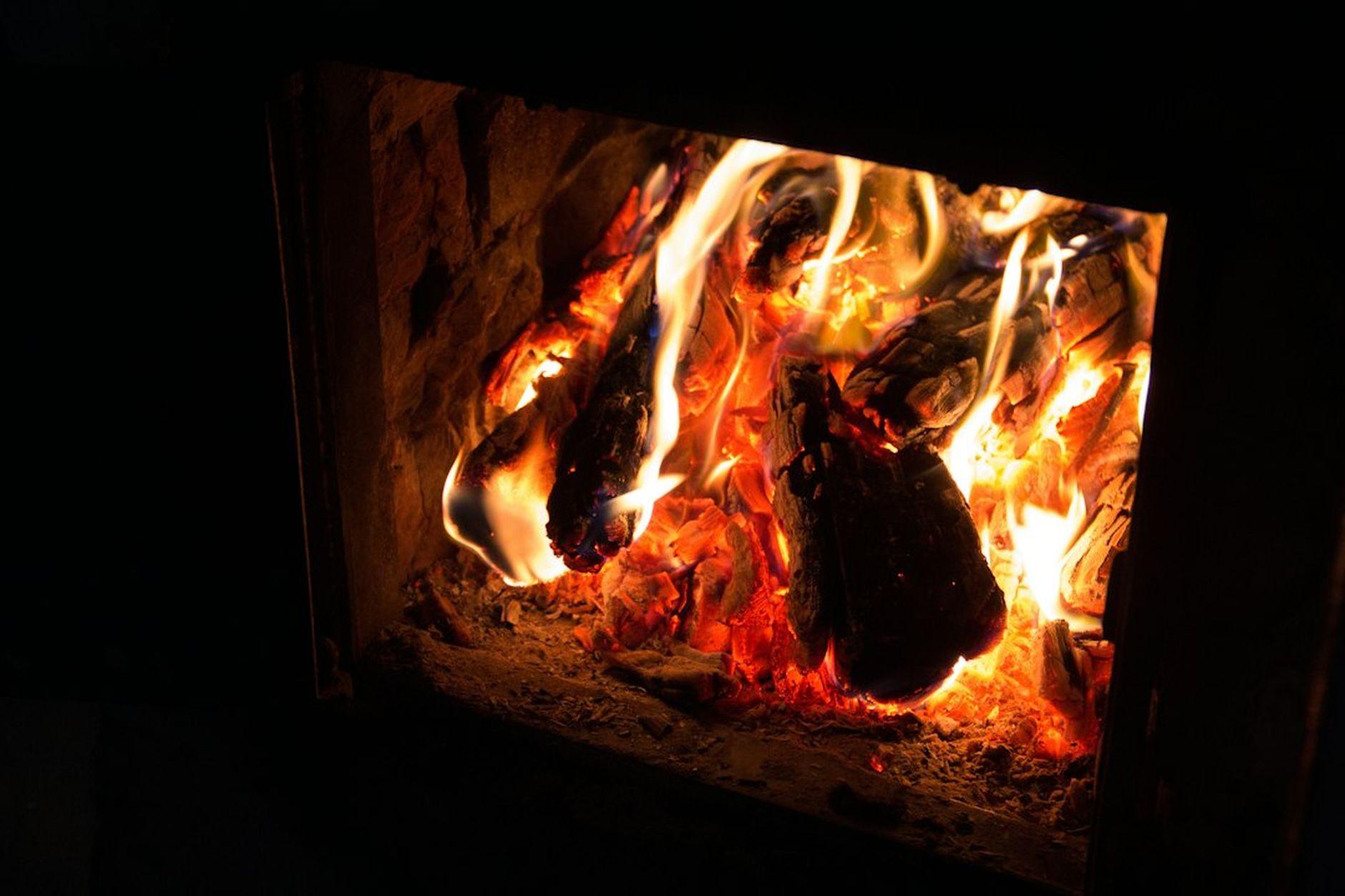
It usually starts with one bad evening. Smoke curls out under the mantel instead of going up. Or the damper handle grinds and will not seat. Or a flashlight aimed at the back wall shows firebrick with a crack you could slide a coin into. The fireplace in your La Habra living room has stopped being something you light without thinking.
From there the road forks. Repair what is there and keep burning wood, or put a gas insert into the opening and retire the logs. Both are sound choices. Which is right depends on what failed, what it costs to put right, and how you want to use the room.
First, what broke?
The symptom narrows the repair.
| Symptom | Usual cause | Repair route |
|---|---|---|
| Smoke spills into the room | A choked or undersized flue, a damper stuck part way, or a tightly sealed house starving the fire of air | Sweep, damper work, sometimes a change at the flue top |
| Cracked or loose firebrick, sandy joints at the back | Years of heat cycling, sometimes water from above | Firebrick and refractory mortar repair |
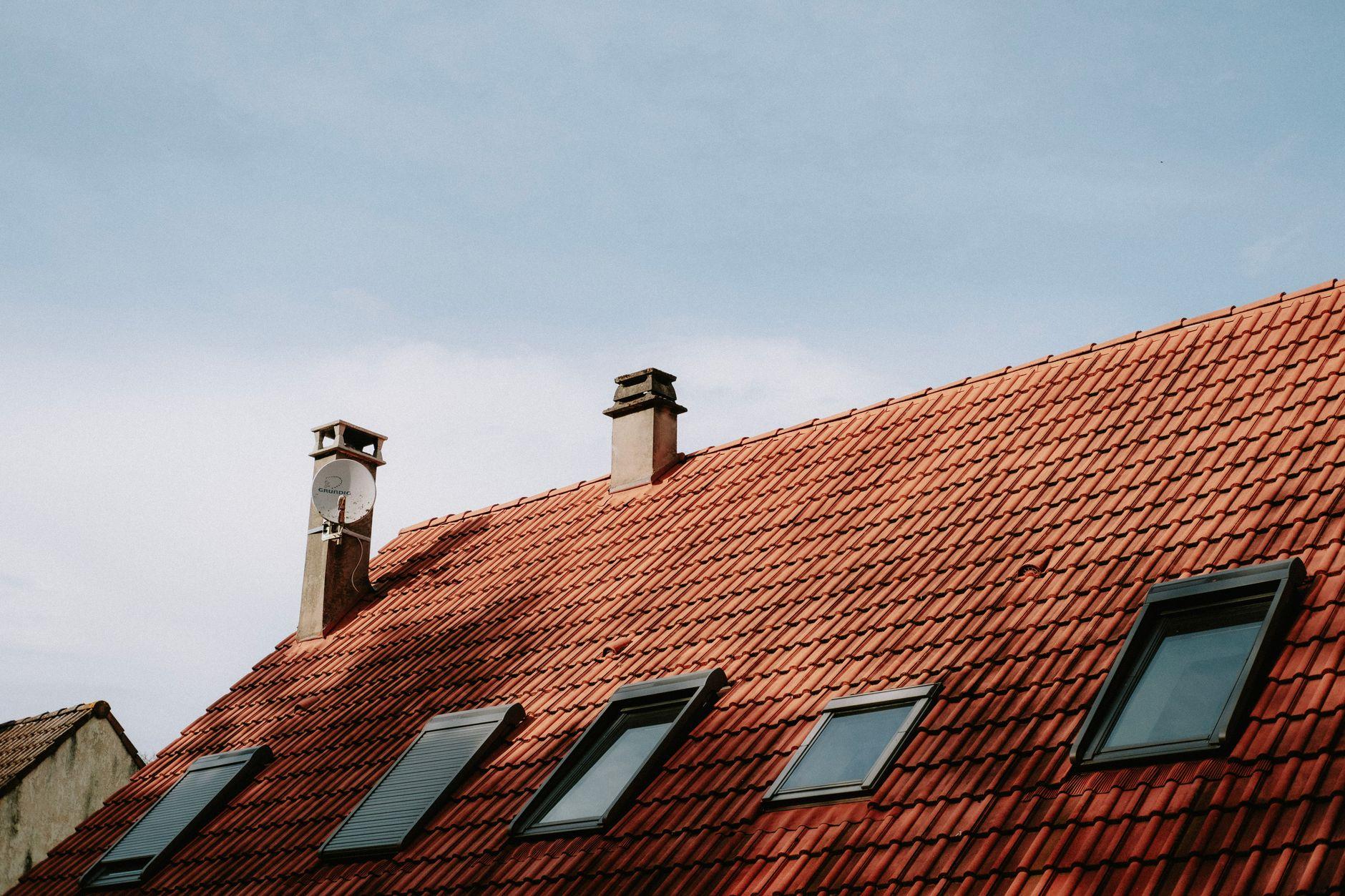
| Damper stuck, rusted or missing pieces | Rain falling into a flue with no cap | Damper repair or a top-mounted replacement, plus a cap |
| Camera shows cracked liner tiles | A past chimney fire, a quake, or age | Relining, or a change of fuel |
The first three are ordinary fireplace repairs. They have no list price because the work varies with the firebox, and you get a figure on paper after the visit. A sweep, if the flue needs one, is from $410.
The fourth row is the expensive one, and it is where the gas question earns a serious look.
The case for repairing and staying with wood
If the firebox and flue are basically sound and the fault is a damper, a few bricks or a dirty flue, repair is nearly always the smaller bill. You keep the crackle, the smell and the open flame, and nothing about the room changes.
You also keep the limits. An open fireplace sends most of its heat up the chimney. It needs sweeping. And in La Habra it burns under South Coast AQMD Rule 445: when the district posts a winter wood-burning ban for the day, a log fire has to stay unlit. Gas flames fall outside that ban.
The case for a gas insert
Think of an insert as a steel stove with a glass face, built to sit inside the masonry opening. It brings its own vent pipes, which run up inside the old flue to the top. That last point matters when the liner is cracked. The insert does not rely on the clay tiles to contain anything, so a flue that would need full relining for wood can often carry an insert's vent as it stands, provided the brick shell is sound.
Fitted and running in a fireplace you already own, an insert comes to $2,750 to $5,500 with us. Where it lands in that span depends on:
- The run to the roof. A tall or offset chimney takes more vent pipe and more labor.
- Gas at the hearth. An existing valve from an old log lighter saves a pipe run. No gas nearby means a new line, and a longer one costs more.
- Power. Blowers and electronic ignition want an outlet close by.
- The opening. Shallow or unusually wide fireboxes limit which units fit and may need a made-up surround.
- The unit. Heat output, remote or thermostat control, and the look of the front.
If there is no usable fireplace at all, or it is in the wrong room, the other option is a direct-vent gas fireplace on a fresh wall, framed in and piped straight outdoors. Starting from bare wall like that, the span is $4,400 to $8,800.
Side by side
| Question | Repair, keep wood | Gas insert |
|---|---|---|
| Typical trigger | Damper, firebrick, draft fault | Failed liner, or tired of hauling logs |
| Cost | Written quote per job | $2,750 to $5,500 |
| Heat into the room | Low | Much higher |
| Upkeep | Sweep and inspection | Yearly service of burner and vent |
| Winter no-burn days | Cannot be lit | Can be lit |
| The look | Open flame, real logs | Flame behind glass |
Neither column wins everywhere. A household that lights four fires a year for the pleasure of it should fix the damper and carry on. A household that wants the room warm on weeknights, or is facing a relining bill, should price the insert before deciding.
That pricing is the next step. Through the contact page, tell us the symptom, whether a gas valve or key sits near the hearth, and which way you are leaning. We book a visit to look at the firebox and flue, and you get both routes written out: the repair and the insert, each with its figure.
Do not skip the look up the flue
Either route begins with knowing what the chimney is like inside. A Level 2 inspection at $385 films the liner and checks the stack above and below the roof. For a repair, it confirms the flue is fit for wood. For an insert, it confirms the shell can carry the new vent and shows whether the crown and cap need attention while we are up there. Skipping it is how people end up paying for firebrick in a fireplace that could not safely be lit anyway.
What waiting costs
A smoky fireplace is a nuisance. A cracked firebox or liner is a different order of problem, because the masonry is what stands between the fire and the wood frame of the house. Each fire lit against a breach sends heat somewhere it was never meant to go. Meanwhile an uncapped flue with a rusting damper keeps taking rain, and the repair list grows a line every winter.
If you are not ready to choose, the low-cost holding position is simple: stop lighting it, have it inspected, and decide with the report in your hand.
Pick a route
Read more on fireplace inserts and gas fireplace repair, or go to the contact page and tell us what the fireplace did on its last bad evening.
Does This Sound Like Your Chimney?
Reading about a fault only goes so far. McAllister Chimney Experts works out of La Habra, traces the symptom to the part that failed and writes the repair down, with its figure, before any work begins.